


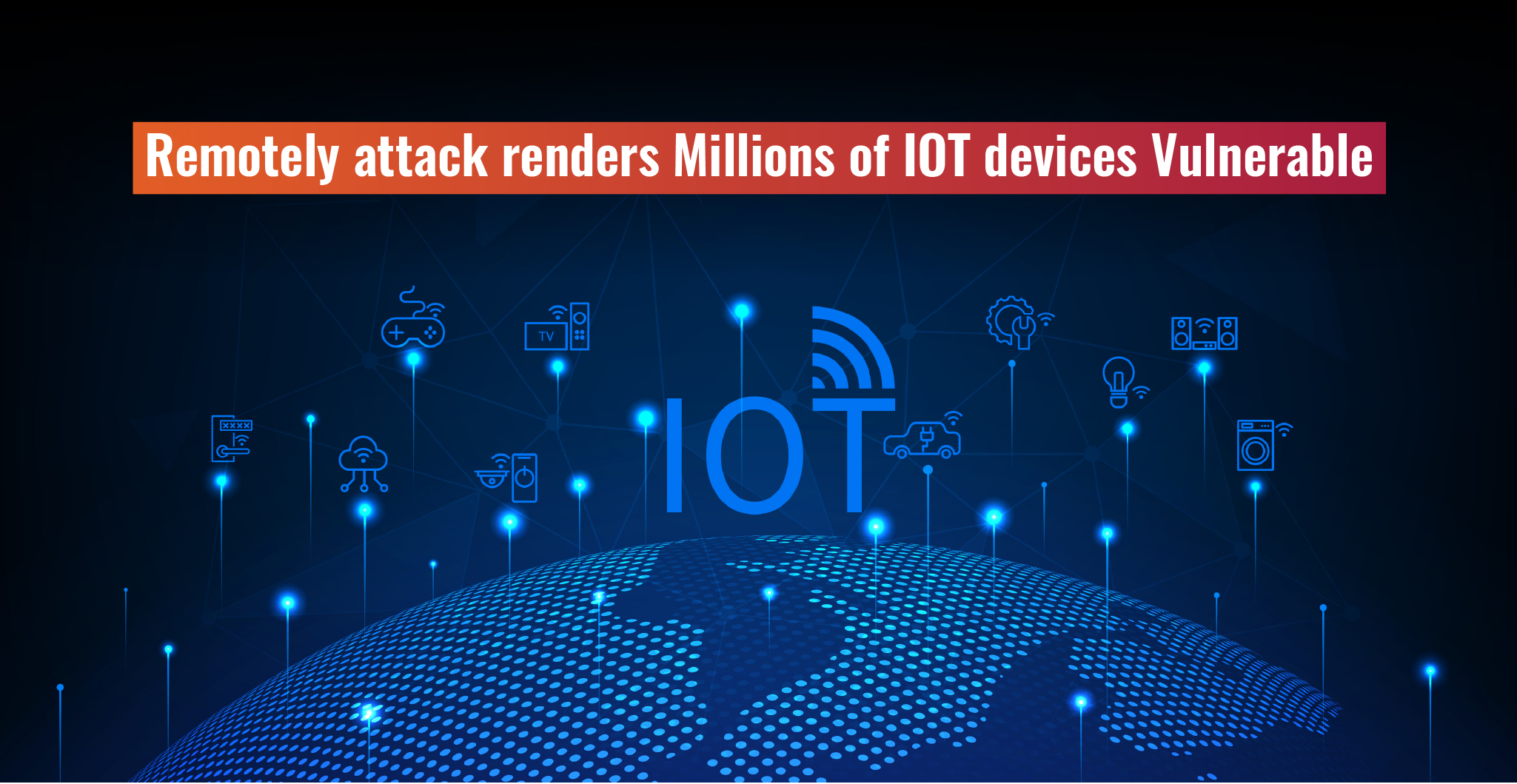
As far as our senses go, and eyes can see, we are woven by the Internet of Things or IoT. As vast as the technology is, there are also many issues related to IoT device security. The internet is full of vulnerabilities and cyber threat attacks that can compromise an individual’s or an organisation’s personal information and safety. As the technology is developing, so are the hackers breaking into the security. The hackers are also developing and upgrading their methods and fulfilling their ill intentions. In order to save oneself from such attacks, it is important to know about them in the first place. So let’s delve deep into learning the kinds of IoT device security attacks.
Table of Contents
Attacks on IoT
Credential attack
While you are setting up the password for IoT, it should be very, very secure as this is one of the easiest ways to breach the security. You should be very mindful while passing the IoT security testing, the hackers can break into the device and use it to hack a bigger network.
Man in the middle attacks (MitM)
These kinds of attacks affect the sensitive data or eavesdrop on the content. They inject malicious data into the content. They target weak networks, poor authentication, and poor encryption invite hackers as they are the weakest targets.
Distributed Denial of Service (DDoS) Denial of Service (DoS)
Another way of breaching the IoT device security is flooding the IoT with traffic, not providing them with an ample amount of service, and causing financial drainage and hampering the reputation.
Physical attacks
Another way in which breach is caused is by targeting the hardware of the IoT devices. The hackers might hack the devices, play with the sensors, or try to get unauthorised access to the devices. Some of the common attacks are zero-day attacks, replay attacks, eavesdropping attacks, and data injection attacks.
Botnet attacks
If your IoT device security fails, it can be an easy target for attackers by creating backdoors to hijack the devices with low security. Sending spam email, inducing the spread of malware, and launching DDoS attacks are some examples of breaches that might happen in a botnet.
Side-Channel Attack
There are instances where information is often leaked during the IoT device security testing operation. Some of such leakages are power consumption patterns and electromagnetic emissions. These attacks on IoT devices leak much information, including the encryption.
Brute force password attack
Some software can generate many passwords, and these are distributed by the attacks to a certain number of users, creating a vulnerable spot for an attack. If you have a poor password, your account might fall under the risk category. The hacker might take your personal data, spread malware, and do things that might jeopardise your safety.
Encryption attack
Often, your IoT device security fails as the attackers install their algorithm and hold a grip over your device in case the Internet of Things devices are not strongly encrypted. Thus, it’s mandatory to remember the encryption, or it might hamper the safety of the IoT devices.
Firmware attack
In the case of weak IoT security, there is often a weak link in the firmware, and the attackers take this as a benefit. They take control of the remote controller, make a gate for unauthorized entry, and take charge of the operation of the device.
Malware attack
Often, there is a failure, and malware or malicious attacks on IoT devices happen. This has high potential to spread to other devices in the same network. Ransom attacks are very common in the case of malware attacks. The hackers attack the network and demand a ransom for the release.
Book Your Free Cybersecurity Consultation Today!

What are the vulnerabilities of IoT?
Any failure in IoT security might lead to vulnerabilities in the devices, enabling attackers to have space for data theft and ransomware. So what are the leak links they target? Here are some that will help you gain knowledge about how to be safer while performing anything on IoT:
- Weak password: The easiest way for attackers can get into your IoT is by breaking the password. And the weaker the password, the easier it is to break in.
- Vulnerable AIP: If the mobile infrastructure, the AIP, or the cloud they will be easily compromised by hackers.
- Insecure networks: If your device is subjected to an insecure network, there is a high risk of data drainage. They also give access to the remote control.
- Inadequate device management: It is a very important and quite difficult task to manage all the devices throughout their life span.
- Insecure data transfer and storage: It is very difficult to manage all the devices throughout. You can not really set the default setting and get going with the tasks.
- Outdated and defunct components: It is very important to update the devices and systems. The hackers are very updated with all the new kinds of vulnerabilities any lagging behind will make space for them to enter and steal data.
Get in!
Join our weekly newsletter and stay updated
Conclusion
Our lives have taken a huge turn with the intervention of the Internet of Things. However, it has also made a few things vulnerable to exploitation. Thus, to safeguard the IoT device security testing is mandatory, and with Kratikall, you can protect your data and be safe from ransom attacks. Kratikal is a CERT-In empanelled security auditor. It is trusted by more than 650 organisations and SMEs. They skillfully protect their bands and dignities for combating cyber attacks. Services like VAPT, Security Compliance Audit, and v-CISO services are what they have carved their position from. Kratikal is working with some of the world’s most prestigious companies from sectors like fintech, healthcare, telecom, e-commerce, and many more.
In order to keep your security intact, you will have to be handled by a group of efficient experts. Some of the highly expected certifications that they hold are CRTA, CRTP, AZ 900, CEH, CISA, ISO 27001 Lead Auditor, ISCP, OSCP, eWPT, and CISM.






Leave a comment
Your email address will not be published. Required fields are marked *